
Rehabilitation after Orthopedic Surgery
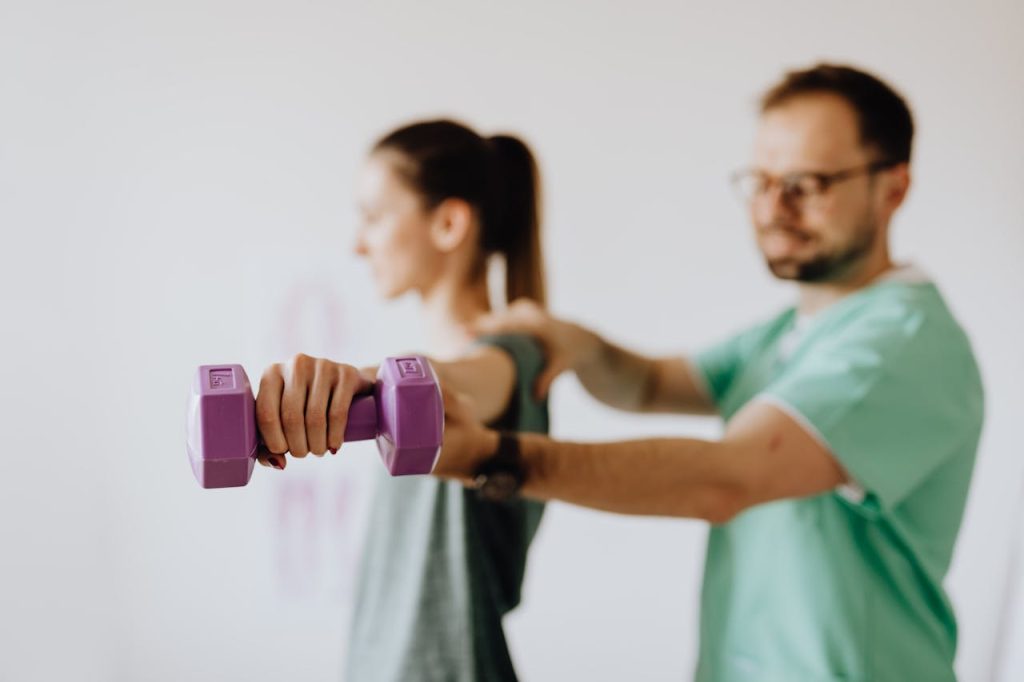
Rehabilitation after orthopedic surgery is a structured recovery process designed to help patients regain strength, mobility, flexibility, and function following procedures involving bones, joints, ligaments, tendons, or muscles. Whether recovering from a joint replacement, fracture repair, ligament reconstruction, or spinal procedure, proper rehabilitation plays a critical role in achieving the best possible outcome.
Importance of Rehabilitation
Orthopedic surgery addresses structural problems, but rehabilitation ensures the body heals correctly and safely. Without guided therapy, patients may experience stiffness, weakness, reduced range of motion, or delayed healing. A well-planned rehabilitation program helps to:
Restore joint movement and flexibility
Rebuild muscle strength
Reduce pain and swelling
Improve balance and coordination
Prevent complications such as stiffness or muscle atrophy
Promote faster and safer return to daily activities
Phases of Rehabilitation
Rehabilitation typically progresses in phases depending on the type of surgery and the patient’s condition.
1. Immediate Post-Surgery Phase
This phase focuses on pain management, reducing swelling, and protecting the surgical site. Gentle movements and basic exercises may begin early to prevent stiffness and improve circulation.
2. Early Recovery Phase
As healing progresses, controlled physical therapy exercises are introduced to improve range of motion and gradually strengthen surrounding muscles. Patients are often guided on safe movement techniques and proper posture.
3. Strengthening and Functional Training
This stage focuses on rebuilding strength, endurance, and coordination. Therapy becomes more active and may include weight-bearing exercises, resistance training, and balance activities.
4. Return to Normal Activities
In the final phase, patients work toward resuming normal daily tasks, work duties, or sports activities. The rehabilitation plan is tailored to the individual’s lifestyle and physical goals.
Role of Physical Therapy
Physical therapists play a central role in post-operative rehabilitation. They assess progress, adjust exercise intensity, and ensure exercises are performed safely. Therapy sessions may include:
Stretching and mobility exercises
Strength training
Manual therapy techniques
Gait training (walking support and correction)
Functional movement training
Home exercise programs are often prescribed to complement in-clinic sessions.
Factors That Influence Recovery
Recovery time and outcomes depend on several factors, including:
Type and complexity of surgery
Patient’s age and overall health
Pre-surgery fitness level
Adherence to rehabilitation program
Presence of other medical conditions
Consistency and patience are essential, as recovery timelines vary from weeks to several months.
Benefits of Structured Rehabilitation
Patients who actively participate in rehabilitation often experience:
Faster recovery
Reduced risk of re-injury
Improved joint stability
Better long-term function
Enhanced quality of life
Conclusion
Rehabilitation after orthopedic surgery is not optional—it is a vital part of the healing journey. With professional guidance, structured exercises, and patient commitment, individuals can safely regain strength, mobility, and independence. A personalized rehabilitation program ensures optimal recovery and helps patients return confidently to their normal activities.