
Spine Care: Keeping Your Back Healthy
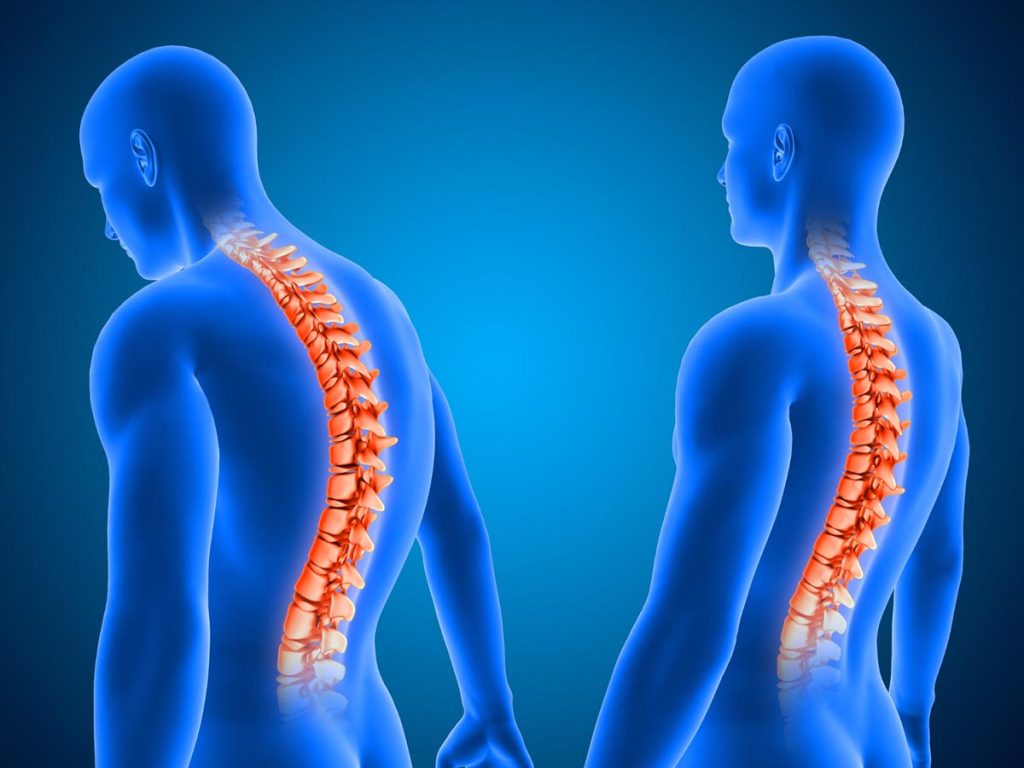
Your spine plays a central role in almost every movement you make — from bending and lifting to sitting and sleeping. It supports your body, protects your spinal cord, and helps you stay mobile and active. Taking care of your spine is essential for long-term health, productivity, and overall well-being.
Why Spine Health Matters
The spine is made up of vertebrae, discs, muscles, ligaments, and nerves working together. When any part of this system is strained or injured, it can lead to discomfort, stiffness, or chronic back pain. Poor posture, heavy lifting, long hours of sitting, and lack of exercise are some of the most common causes of back problems today.
Maintaining a healthy spine helps to:
Prevent chronic back and neck pain
Improve posture and body alignment
Enhance flexibility and mobility
Support better breathing and circulation
Reduce the risk of injury
Common Causes of Back Problems
Many spine-related issues develop gradually due to daily habits. Some common causes include:
Poor posture – Slouching while sitting or standing strains the spine.
Sedentary lifestyle – Weak core muscles provide less support to the back.
Improper lifting techniques – Lifting heavy objects without bending your knees can cause injury.
Excess body weight – Extra weight increases stress on the lower back.
Sleeping on unsupportive mattresses – Poor spinal alignment during sleep can lead to stiffness and pain.
Tips for Keeping Your Spine Healthy
1. Maintain Good Posture
Keep your shoulders relaxed, your back straight, and your feet flat on the ground when sitting. When using a computer, ensure your screen is at eye level and your chair supports your lower back.
2. Stay Active
Regular physical activity strengthens the muscles that support your spine. Exercises like walking, swimming, yoga, and stretching improve flexibility and core strength.
3. Strengthen Your Core
Your abdominal and back muscles act as a natural brace for your spine. Core exercises such as planks and gentle abdominal workouts can help reduce strain on your lower back.
4. Lift Properly
Always bend your knees and keep the object close to your body when lifting. Avoid twisting your spine while carrying heavy loads.
5. Maintain a Healthy Weight
A balanced diet and regular exercise reduce unnecessary pressure on your spine and joints.
6. Sleep Smart
Choose a supportive mattress and pillow. Sleeping on your side with a pillow between your knees can help maintain proper spinal alignment.
When to Seek Medical Attention
Occasional mild back pain is common, but persistent or severe pain should not be ignored. Seek medical advice if you experience:
Pain lasting more than a few weeks
Numbness or tingling in your arms or legs
Weakness in your limbs
Pain following an injury or accident
Early diagnosis and treatment can prevent long-term complications.
Conclusion
Spine care is not just about avoiding pain — it’s about maintaining strength, flexibility, and independence throughout your life. By adopting healthy habits, staying active, and paying attention to posture and body mechanics, you can protect your back and enjoy a healthier, more comfortable life.
Taking small steps today can make a big difference for your spine tomorrow.